
Aging is a natural journey, but chronic pain doesn’t have to be your co-pilot. Degenerative Disc Disease (DDD) is one of the most frequent catalysts for back pain, yet it is often misunderstood. At Allevia, we combine advanced diagnostics with minimally invasive science to help you reclaim your mobility.
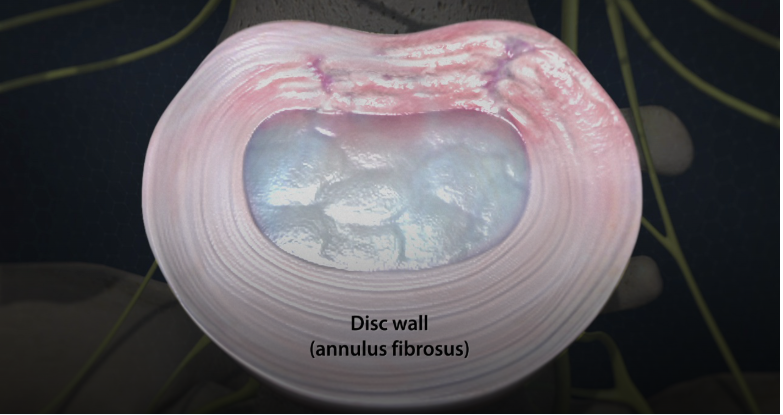
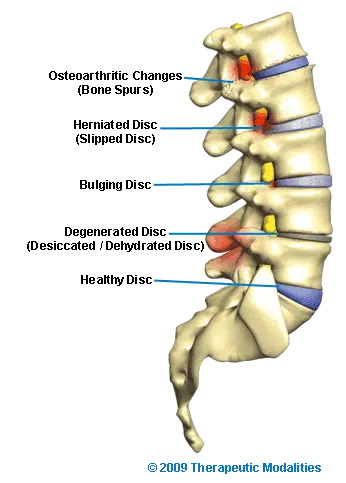
Think of your spinal discs as high performance shock absorbers. These flexible, gel like cushions sit between your vertebrae, allowing you to bend, twist, and move fluidly. Over time, these discs can lose hydration and elasticity a process that affects roughly 40% of 40 year olds and up to 80% of those over 80. Because discs have a limited blood supply, they struggle to repair themselves, leading to the stiffness and discomfort known as DDD.
Effective treatment starts with seeing what others miss. We utilize high-definition MRI technology to evaluate disc integrity, looking for signs of collapse or bone spurs that may be impinging on nerves. By merging imaging with a Clinical Mobility Test, our specialists create a roadmap for your recovery.
Our goal is to get you back to your life without the risks of major surgery or heavy medication reliance. We offer a tiered, modern treatment strategy:
Specialized routines to build the internal brace of muscles supporting your spine.
Precision adjustments to optimize spinal alignment.
Non-invasive methods to manage inflammation and provide structural support.
When lifestyle changes aren’t enough, we use fluoroscopic (real-time X-ray) guidance for pinpoint accuracy:
Fast-acting anti-inflammatories delivered directly to the irritated nerve space.
Targeted relief for the small joints of the spine to restore fluid movement.
A pacemaker for pain that uses gentle electrical pulses to block pain signals before they reach the brain.
You’ve lived with the ache long enough. It’s time for a personalized plan that puts surgery last and your quality of life first.
They are highly effective for reducing acute inflammation. Most patients experience significant pain reduction and improved functionality, which allows them to participate more effectively in physical therapy.
For chronic cases where other treatments haven't provided relief, SCS technology acts as a digital barrier, replacing pain sensations with a soothing feeling, significantly reducing the need for oral medications.
If your pain lasts more than a few weeks, radiates into your limbs, or interferes with your sleep and work, it’s time for a professional evaluation. Early intervention is key to preventing permanent disc collapse.
Aging is a natural journey, but chronic pain doesn’t have to be your co-pilot. Degenerative Disc Disease (DDD) is one of the most frequent catalysts for back pain, yet it is often misunderstood. At Allevia, we combine advanced diagnostics with minimally invasive science to help you reclaim your mobility.
Think of your spinal discs as high performance shock absorbers. These flexible, gel like cushions sit between your vertebrae, allowing you to bend, twist, and move fluidly. Over time, these discs can lose hydration and elasticity a process that affects roughly 40% of 40 year olds and up to 80% of those over 80. Because discs have a limited blood supply, they struggle to repair themselves, leading to the stiffness and discomfort known as DDD.
Effective treatment starts with seeing what others miss. We utilize high-definition MRI technology to evaluate disc integrity, looking for signs of collapse or bone spurs that may be impinging on nerves. By merging imaging with a Clinical Mobility Test, our specialists create a roadmap for your recovery.
Our goal is to get you back to your life without the risks of major surgery or heavy medication reliance. We offer a tiered, modern treatment strategy:
Specialized routines to build the internal brace of muscles supporting your spine.
Precision adjustments to optimize spinal alignment.
Non-invasive methods to manage inflammation and provide structural support.
When lifestyle changes aren’t enough, we use fluoroscopic (real-time X-ray) guidance for pinpoint accuracy:
Fast-acting anti-inflammatories delivered directly to the irritated nerve space.
Targeted relief for the small joints of the spine to restore fluid movement.
A pacemaker for pain that uses gentle electrical pulses to block pain signals before they reach the brain.
You’ve lived with the ache long enough. It’s time for a personalized plan that puts surgery last and your quality of life first.
They are highly effective for reducing acute inflammation. Most patients experience significant pain reduction and improved functionality, which allows them to participate more effectively in physical therapy.
For chronic cases where other treatments haven't provided relief, SCS technology acts as a digital barrier, replacing pain sensations with a soothing feeling, significantly reducing the need for oral medications.
If your pain lasts more than a few weeks, radiates into your limbs, or interferes with your sleep and work, it’s time for a professional evaluation. Early intervention is key to preventing permanent disc collapse.
Copyright © 2026 All Rights Reserved.
Site developed by